6/19/18 to 7/1/18 – Zagreb, Split, Dubrovnik – Croatia
Crew – My family!
Croatia has the odd reputation of being a newcomer to the nation world, which is weird because the US is also a newcomer but Croatia is on another level. After the collapse of the Soviet Union, the area known as Yugoslavia, never really known for stability of any sort split up and wars broke out. The result of was Slovakia, Croatia, Bosnia and a few other countries emerging from the wreckage in a very uneasy pace to say the least.
Normally this is the stuff of history textbooks but uneasy peace hits a lot harder when its been 20 years since artillery shells were flying on both sides.
For context, you see an artillery crater in a house, and you ask when it was and when you were in London or Berlin the answer was “1945”, in France the answer was “1914” and half the time in Israel it was “1” (hey catapults existed). But the answer in Croatia was “2004” and then you went about your business. Shows the tenacity of people to put up with anything if nothing else.
Our first stop was the city of Zagreb, the capital. Currently the largest city in Croatia with a population including suburbs of 1.2 million it contains a quarter of people in Croatia. A very modern city, it specializes in trade between Europe and Asia and mainly works in the technology sector. Not to say it’s a new city, it formally date back to 1094 when the Hungarian king set up a Church and informally to the 3rd century AD when the Romans set up a settlement in the same area.
We saw the Ban Jelačić Square, which contained palaces and galleries from a variety of governments and empires. It was only reachable through a metric crapton of stairs or a Funicular (which my family was overly excited to take). We also saw the Archaeological Museum of Zagreb, which had a variety of artifacts from a few Egyptian mummies that were buried in Croatia and weren’t eaten to the first ballpoint pen, invented in Croatia. Croatia also invented the modern tie, stemming from the cravat, a scarf Croatian’s loved ones would tie around their neck when they left for war. So thanks for all that panic in the bathroom mirror before a debate tournament.
The best attraction of Zagreb turned out not to be anything I expected… the museum of broken relationships. The name describes it aptly but it’s a place where people could drop off items that symbolized past relationships that had failed with a brief description. The founders dropped off their own toy wooden duck they had tried to bring around the world together.

Some of the items were hilarious, there was a toaster that just said “He cheated on me, so I stole his toaster. How are you gonna make toast now bitch?”. Some were heartbreaking: An incredibly worn doll stuffed animal with a note that said “My mom told me she loved me and gave me this the last time I ever saw her. She was six.”
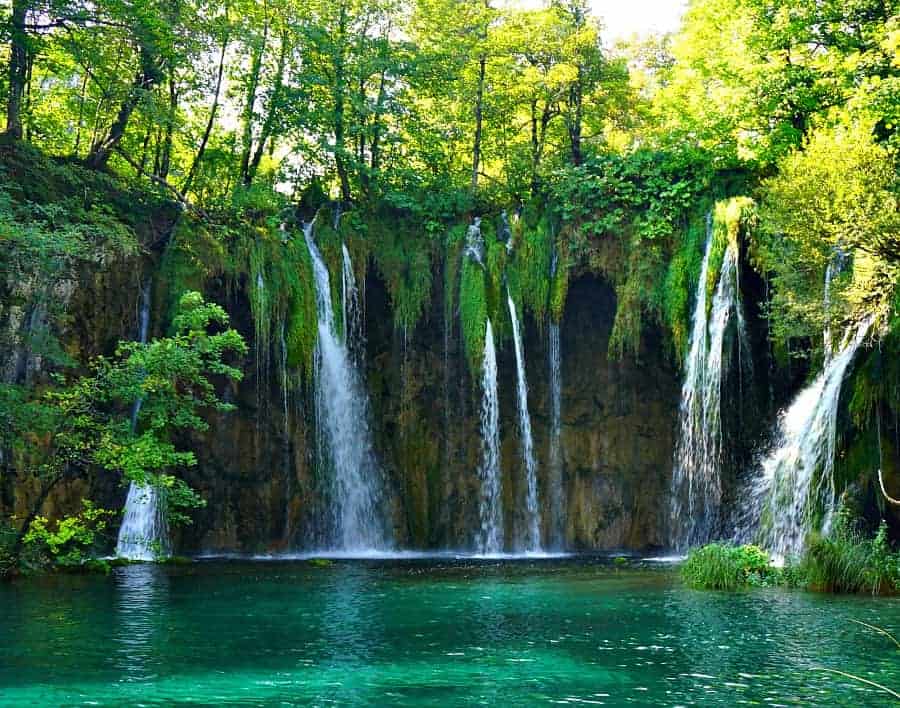
The museum of broken relationships was the final stop in Zagrab, and we started heading across the country. Next up was their largest National Park: Plitvice Lakes! Great time, amazing waterfalls and I describe it as Monterey kind of weather with a bit more swamp and a lot beauty. Or New Orleans… with less booze and actually being pretty. I’ll just grab a picture from the internet rather than try and explain it.
Next up was the town of Split, besides having a solid 8/10 name it got it place in history for being the hometown of the roman emperor Diocletian, who came to power after the chaos of the third century crisis where 26 official Roman emperors died in the span of a century, and there were plenty more unofficial ones. He stabilized the empire and became the first (and turns out only) emperor to ever retire and left Rome for his hometown of split where he was worshipped as a god. For the Romans, power really does corrupt.
A cruel irony of Greco-Roman history is that it has some of the worst preserved ruins around the world relative to their empire, especially in Greece. Even the Mayan kingdoms, built into a literal rainforest that has untold ways to decay manmade structures remains in better conditions than the ruins of Greece. Luckily, split represented a departure from that norm.
The city had some of the most impressive Roman ruins on the continent. Except for the Colosseum, probably more impressive than anything in Rome. They built an entire district of the city into the Roman stone ruins of the city. You could drink beer while sitting in a tavern that had literally been inhabited by people drinking beer two thousand years earlier. Yes, I am a history nerd but there is at the end of the day something oddly humbling and welcoming about that fact. It also shows why civil engineers like to brag that their work will long outlive any other engineers: Stone. The structural engineering of this material is supreme despite what modern technology says. Its slow, cost-prohibitive, and completely inadequate for any modern-size structure due to exponentially larger forces but damn does it make a good inn. I even have the stress and shear calculations to back it up (perk of taking classes with civil engineers).
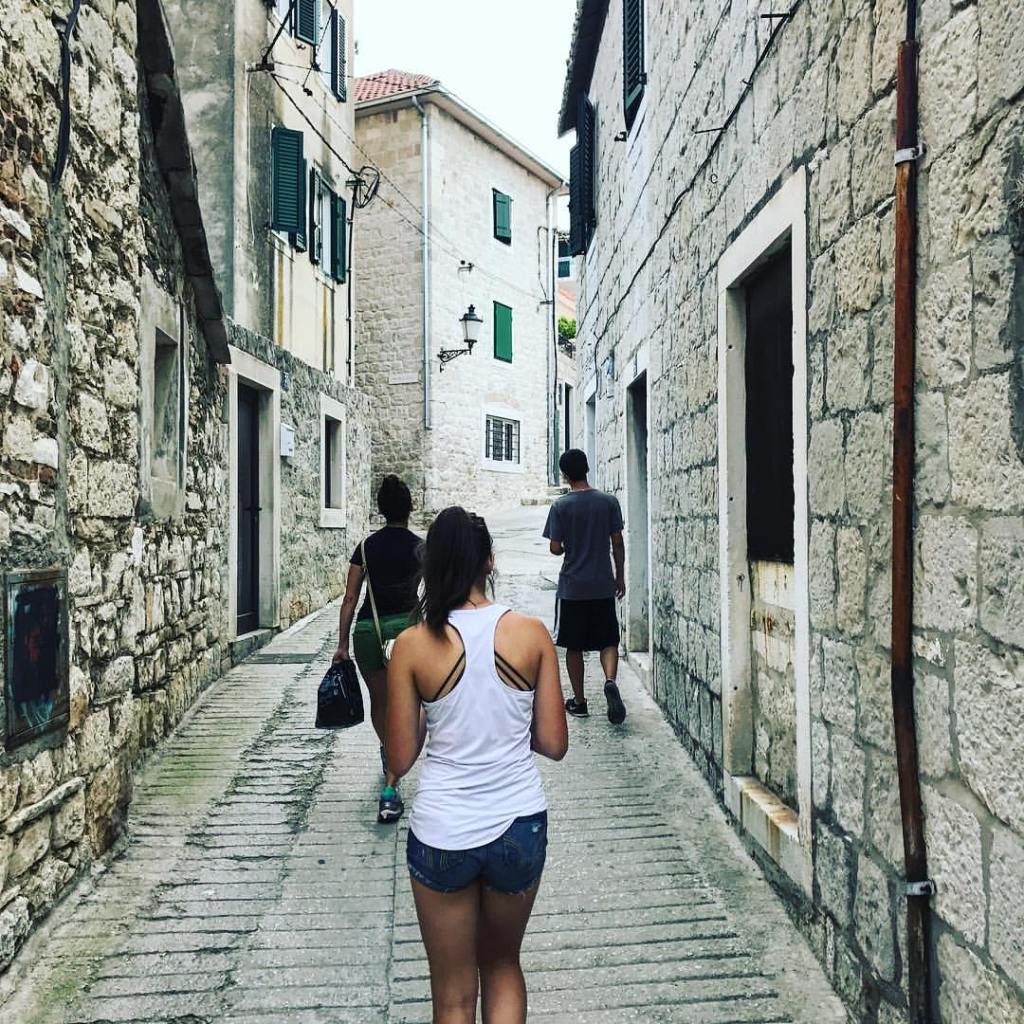
In even greater condition was Diocletian’s tomb/home. It was built nearly entirely underground, no natural disasters touched it, and therefore in excellent condition. The tomb also lacks the yellow tape that blocks off so many archaeological sites. Lily and I climbed around anywhere and as a bonus were amazingly uncrowded. There is a lot of complaining on the internet about travel becoming too crowded and open to people. I personally find that elitist and have never been so overwhelmed by tourists that I wished that it still were only accessible to people who had to worry about Biden’s tax increases. Lily and I climbed around ancient staircases, saw pottery from his storehouses and even some of his official armor that had survived looters.
Our final location of the trip was the city of Dubrovnik, the most popular city for tourists in Croatia and the location of many top attractions. Also, some incredible historical engineering that might have beaten the Romans.
(Side note but when I started writing these, I attempted to make them like… well-balanced. Then I learned I’m a shitty writer on most topics, but I can do archaeology and engineering half-decently so now half this blog is just that oops.)
First off, the modern city has an old city district where all the attractions are, most of the modern business of the city remains outsides the old city. Tourism today represents the largest chunk of the economy of Dubrovnik, but other industries must exist. However, since I’m a filthy tourist I’m going to focus on the touristy stuff unsurprisingly.
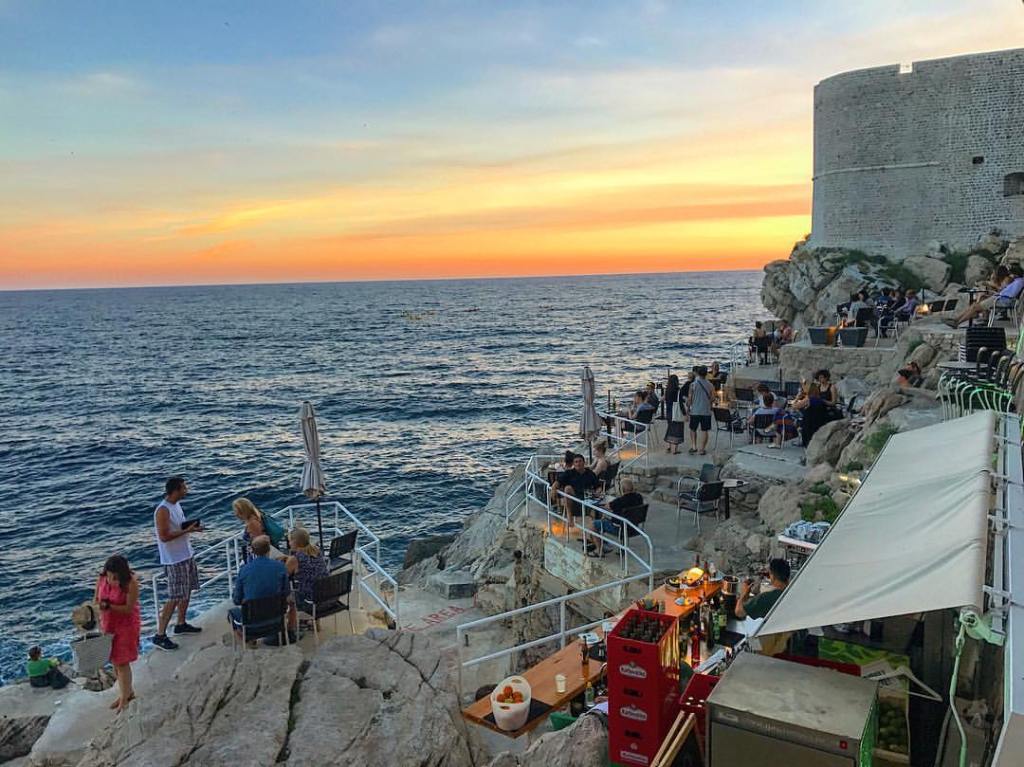
The old city contains a port and has one side completely protected by the ocean. The harbor itself was lined with cannons for any potential attackers, anyone daring to attack the city would have to either cross a deathtrap of a harbor or scale hundreds of feet of cliffs. Today restaurants and bars build patios on those cliffs so you can gaze out into the ocean. You are also fully allowed to jump into the ocean assuming you jump far enough horizontally that you don’t splatter on the rocks. The other three sides of the city are fully ringed by walls and even a moat and drawbridge leading into the city.
Far more uncommon was the fully functioning foundry in the city. Quick definitions: Forges are any place where you shape metal by heating it up and then use some form of brute force to change the shape while it remains malleable. A foundry melts metal down to liquid and then pours it into a mold to cool into the shape you need. Forges are better for any situation were most things manufactured are custom and demand remains low: A small farming village. A fully functioning foundry though…. Those things can supply empires. We got a full tour of the foundry in Dubrovnik and it was fantastic. Built into a hill on one side of the city, it spanned multiple stories underground, with vast trenches of metal in the sides for pouring down molten material. Due to the constant heat and administration and logistics not common until the industrial era required it is rare to find such factories in anything besides major cities. This foundry from the 15th century was dug up in 2008.
In times of peace such facilities could create plows, butcher’s tools, artisan’s tools, and shipbuilding components. In times of war, it could produce cannons, musket balls, and the even more shipbuilding components. Kingdom’s are built on economic might, and Croatia was no different.
On the topic of fantastic metalworking, It would be a tragedy for me to not mention the iron throne in the city, made from actual iron of course. Kings Landing was modeled after Dubrovnik and filmed in the old city. We got pictures on it which was a near requirement. Also, a fun fact Elizabeth II the immortal queen of England could not sit on the throne because the monarch is forbidden to sit on a foreign throne.

Past that, we walked the walls of the city, saw the sunsets, and walked through some of the remaining medieval structures. Medieval cities in general are very uncommon to find preserved in any large capacity. Almost all medieval cities that survived the high era and then the age of exploration were then converted into industrial cities. After all, they had the population density and the associated skill to make steam power happen. While ancient cities were beginning to be excavated and preserved, medieval cities were built atop of. Dubrovnik having a mostly intact old district from medieval times is a wonder.
The final day we saw the island off the city and its old Monk monastery…. But its cursed ooh. Storytime. Back in the 10th century a full monastery of monks were living on effectively their private island. Sure, they didn’t go around preaching about how amazing the royal family was but all they wanted was to be left alone. These monks were not evil in any capacity. Yet the ruling body had other beliefs and decided that they had to go. Who made this claim is disputed. Either a family of nobles long lost to the void of history or the pope itself in 1023. The monastery was forced out by the national government and therefore the monks walked around the entire island three times with candles and chanted that the entire island will be cursed until every single drop of wax was picked up off the ground. The entire high-ranking noble family that moved there ended up dying horribly so the aristocracy called the entire thing cursed and packed the hell up. Rich people are paranoid, trend throughout human history I promise. The island then sat deserted for centuries.
The story certainly does not end there however. In 1192 Richard the Lionhearted was alerted to an unexpected storm followed by a poorly timed reef while in the area. With no visibility and minimal steering, a sickening crash soon followed. The crew emerged onto the long-abandoned island with the only the wax trail and the crumbling monastery long reclaimed by nature. As the title suggests, Richard was no coward but all reports maintain that he pressed the crew to get the hell off Lokrum as fast as possible. After he reached Dubrovnik, he planned to build a church to “purify” the island but the citizens of the city begged him out of fear to not so he built it in the city instead.
Yet the legend grows even weirder. Next up was Archduke Maximillian Ferdinand of Habsurb (wooh that’s a name) in 1859 who built a mansion there. He never actually got to see as he was the “Emperor” of Mexico until the Mexican populace disagreed and had him executed. However, Charlotte of Mexico, now a widow, moved there and then went insane.
At this point no one wanted a part of this Lokrum and it remained silent from the affairs of man until the Croatian war of independence led to the shelling of the island. Further damaging the monestary and the priceless historical texts stored there. Which brings us to the present.
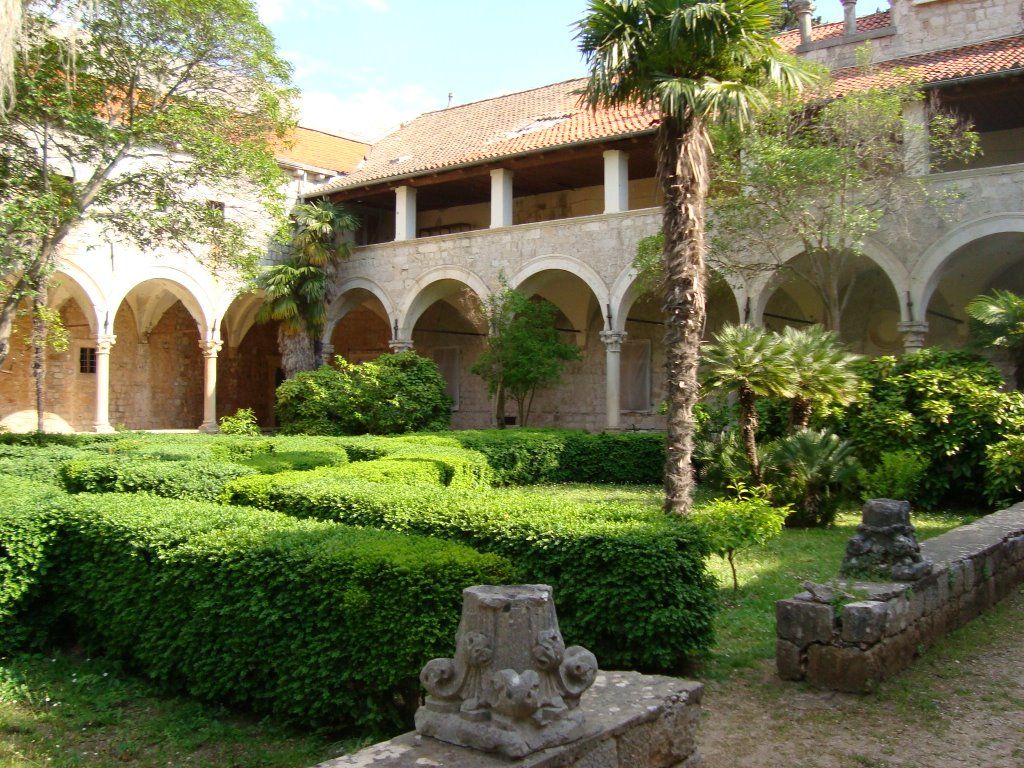
Today it is uninhabited except for tourists and the people that show tourists around the island. After all, after 400 years no one wants to figure out if the curse holds to this day. The story is openly admitted being embellished but for a town that is known for Game of Thrones, they point out that it is oddly GoT-esque. There is always a bit of truth in legends after all.
At this point my dad headed out because he had to go to Israel for a 10 day paid for “training” for general counsels where the government of Israel threw money at them and tried to get them to stay in the country. I laughed and thought it was a weird that he would cash in on a trip like that….
Anyways I have a birthright article if you haven’t read it yet!
Past that point the remaining note of the trip was when my mother decided that she should just try eating the Croatian pizza and her gluten allergy probably wouldn’t hurt her. She puked all night. Made the next day of travel real fun. Even so, she sucked it up, we got on a plane and we left for Spain. Story for another time.
Sam’s Sermon Scales:
West Oakland BART similarities? – 9/10. When you visit Paris, there is the slight feeling that the atmosphere was doctored to tourists, that the actual European charm of quiet and romanticism died out long before the city became a global metropolis. Dubrovnik and to a much larger extend Zagreb and Split don’t suffer from this feeling. The cities are clean, tourism hasn’t picked up so Croatian is still heard in most shops and you can eat food in an actual Roman pub. There was also a distinct lack of concrete, stone still makes up a large part of the country.
“I could make this better!” – N/A. Pre-caffeine era for me. Sorry all.
Folks of Culture? – 7/10. The current country has little culture, it was born in the 21st century and plenty of other modern cities lack a distinct culture in the age of information and more importantly globalization. On the other hand with some of the best preserved Roman ruins you can find alongside mummies and a well preserved medieval city the country absolutely has an appeal for the lovers of history.
Golden Hour Opportunities? – 8/10. For a city I had low expectations with this in this regard, I was impressed at the number of beautiful backgrounds in the country. Some are easier to describe like looking out from the walls of Dubrovnik at the sunset, but some like sitting in an ancient bar has a different vibe but was equally memorable.
Did the vegetarian starve? – 7/10. I don’t remember being particularly amazed at the vegetarian food. Eastern Europe remains not particularly big on the vegetarian craze compared to Western Europe and Asia so options were limited. With that said, it was perfectly fine for me. No real complaints.
“Hey boss, can I work more hours?” – 6/10. We were never charged outrageous prices for anything we did in the country, but we did pay the expected tourist prices. Since so many of their sites are only really still interesting to tourists, they know what to charge and when offered a chance to see a Roman mansion, we would pay anything anyways and I’m sure many other tourists would agree.
Cooler than Middle Earth? – 9/10. An entirely well-preserved Roman city halfway through our journey. A medieval coastal city so breathtaking that King’s Landing was chosen to be filmed in the city. A nearly fully intact foundry and plentiful waterfalls are the icing on the cake. I would say ties with Jordan for most unexpectedly magical country I have ever visited.
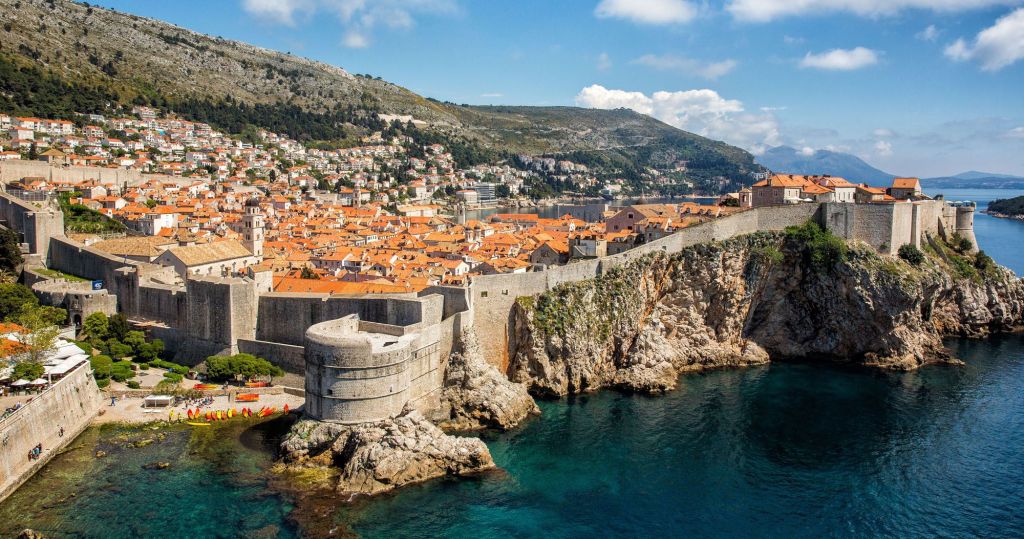
I would not call Croatia a common tourist destination in the United States, but it absolutely should be. It just the three cities we saw, we saw three distinct eras of human history. Roman ruins, a medieval city, and a high-tech trade capital. At various points the country was also under the jurisdiction of the Roman empire, the Austro-Hungarian empire, and the USSR: Three of the largest to ever exist. All these left behind a plethora of sites, myths, and legacies to explore in this country.
There is a fun quote from Artemis, from Andy Weir, about governments. The head economist of the story tells the protagonist how all economics live and die. They grow under expansion which leads to regulation, leading to over taxation and eventual collapse. The people then go on to spawn new governments and the cycle begins anew. The protagonist finds the idea messed up and leaves and in her defense it’s a nihilistic view of it. For Croatia, it just began anew, and I’m curious where the country becomes next.
Photos are attached below. Credit goes my dad and sister mostly.
Best,
Sam
 Dead Man Travelling